Showing posts with label history. Show all posts

2011-05-27

Tuol Sleng Prison


Now let's see what the life was like in Pol Pot's Cambodia. It was pretty hard. Mostly everybody was arrested, registrated, tortured and finally executed. Three millions people was killed from 1975 to 1979 by the Khmer Rouge. So they worked in an effective way. Didn't they, guys?


Most pedig nézzük, milyen volt az élet Pol Pot Kambodzsájában. Hát kurva szar. Nagyjából mindenkit letartóztattak, lajstromba vettek, jól megkínoztak, s végül kivégeztek. Hárommillió embert 1975 és 1979 között. A vörös khmerek. Termelékenyek voltak, nemde?


The Tuol Sleng ('Hill of the Poisonous Trees') was one of their prison. It was called also 'Security Prison 21' (S-21). So it was a serious place as a sign warn us the situation's seriousness. So there is enough life experience there.

A Tuol Sleng ('a mérgező fák dombja') volt az egyik börtönük. Titkos börtön 21-nek (S-21) is hívták. S a helyzet komolyságára még egy tábla is figyelmeztet a bejáratnál. Szóval van arrafelé élettapasztalat elég.


So we can also learn from them.
For example new rules for our slave's pleasure. 
Here are they:


And now let's see the accessories!


In this prison were only seven survivors.


One of these seven survivor is Vann Nath. He is one of Cambodia's most prominent artists. Some of his paintings here:

A hét túlélő egyike Vann Nath. Jelenleg elismert festő Kambodzsában. Íme néhány képe:


And every year there is a day in Cambodia when the people remember to the victims. The Day of Anger. And they re-act the events. Play. Like also us on our way. No death, no blood. Only pain.

And we like it.

És minden évben van egy nap, amikor Kambodzsa az áldozatokra emlékezik. A 'Harag Napja'. És felelevenítik a történteket. Eljátsszák. Ahogyan mi is a magunk módján. Nincs halál és nincs vér. Csak fájdalom.

És mi imádjuk ezt.


Tuol Sleng's hompage here.
In memory of the victims here.
Photo archive here.
More about Tuol Sleng here.


And finally
search yourself!

click: Tuol Sleng


2011-05-25

Slavery by Another Name


Douglas Blackmon's book, Slavery by Another Name: The Re-Enslavement of Black Americans from the Civil War to World War II argues that slavery persisted in different forms long after the ending slavery, 1862. Black men were arrested for petty or non-existent crimes and they were forced to work for white cotton farmers or coal mining companies. Douglas said that this was the new form of slavery.

We agree whit him. There is no difference at all between these two forms and we like them both in the same way, don't we boys? And now let's look and see why.


Douglas Blackmon könyve - Új rabszolgaság Amerikában a polgárháború és a második világháború között - azt állítja, hogy a rabszolgaság tovább élt Amerikában a rabszolgafelszabadítás után is, csak más formában. Jelentéktelen vagy el nem követett kihágásokért tartóztattak le feketéket és ítéltek kényszermunkára. Douglas szerint ez egy új formája volt a rabszolgaságnak.

Részünkről egyet is értünk az állításával, mert mi sem látunk sok különbséget a kettő között, s mindkettőt ugyanúgy kedveljük. Nemde, fiúk? Most pedig nézzük, miért is.


2011-05-20

Richard Grüne


Artist Richard Grüne (1903-1983), who trained at the Bauhaus school in Weimar under teachers including Paul Klee and Wassily Kandinsky, was arrested under Paragraph 175 (Germany's anti-sodomy law against gay man) in 1934 and he was sent to the Sachsenhausen camp in October 1937 and to the Flossenbuerg camp in April 1940.

Grüne himself remained in the Flossenburg camp until 1945. As American forces approached, he escaped the evacuation of Flossenburg. Richard Grüne spent most of the remainder of his life in Spain. He spent much this time producing artworks depicting his experiences and those of other camp survivors.


Passion of the 20th Century
Richard Grüne, 1947.

more
here and here and here


Richard Grüne (1903-1983) képzőművészt, aki a Bauhaus iskola követőjeként kezdte a pályáját Klee és Kandinsky tanítványaként, 1934-ben tartóztatták le a melegekkel szemben alkalmazott 175. paragrafus alapján, s 1934-ben a sachsenhauseni majd a flossenbuergi koncentrációs táborba deportálták. Egészen 1945-ig volt a lágerben. Amikor az amerikai csapatok közeledtek, túlélte az evakuálás, majd hátralévő életét Spanyolországban töltötte, ahol a művészete segítségével dolgozta fel a láger traumáját, s ábrázolta a foglyok megpróbáltatásait.

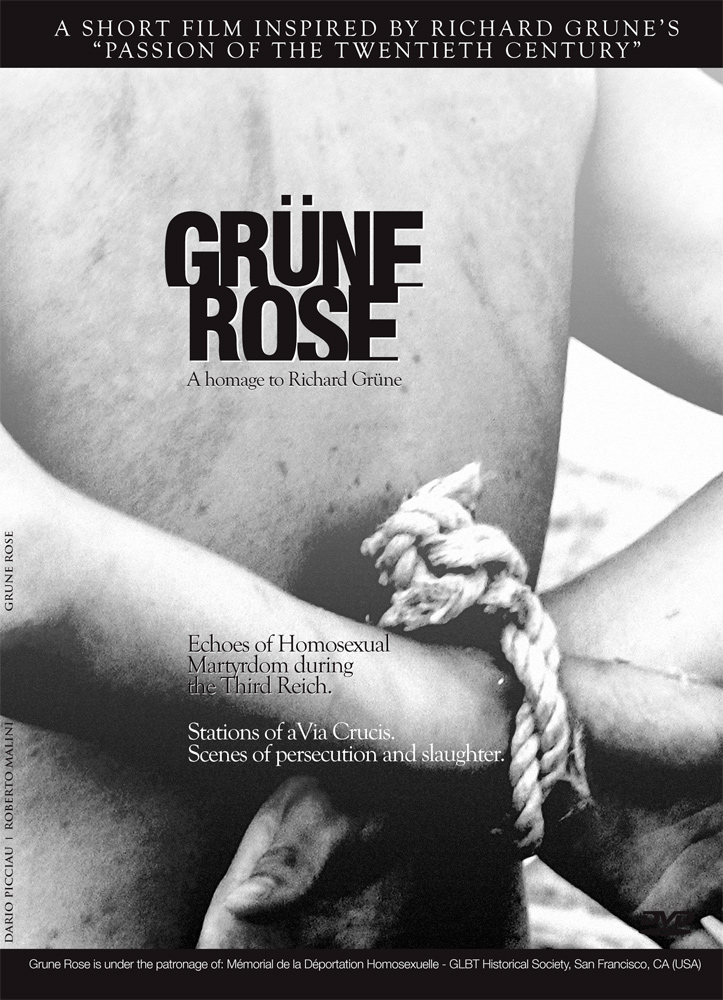
Grüne Rose is a short movie directed by Dario Picciau based on the litograph series 'Passion of the 20th Century' by Richard Grüne.


you can watch the full short movie
click here or here


Seodaemun Prison


Seodaemun Prison History Hall is a museum and former prison in Seoul, South Korea. Seodaemun Prison was used, in the early 1900’s, by the Japanese to imprison Korean citizen who were against Japan’s annexation of Korea and they were brutally tortured during their time in the prison.


A Seodaemun börtönmúzeum korábban egy működő börtön volt Szöulban Dél-Koreában. Az 1900-as évek elején, amikor Japán megszállta Koreát, ide börtönözték be azokat a koreaiakat, akik a megszállás ellen harcoltak és fogvatartásuk alatt kegyetlenül megkínozták őket.


And now let's see how.


Seodaemun Prison History Hall's page here

more pix here

a blogger's report  here